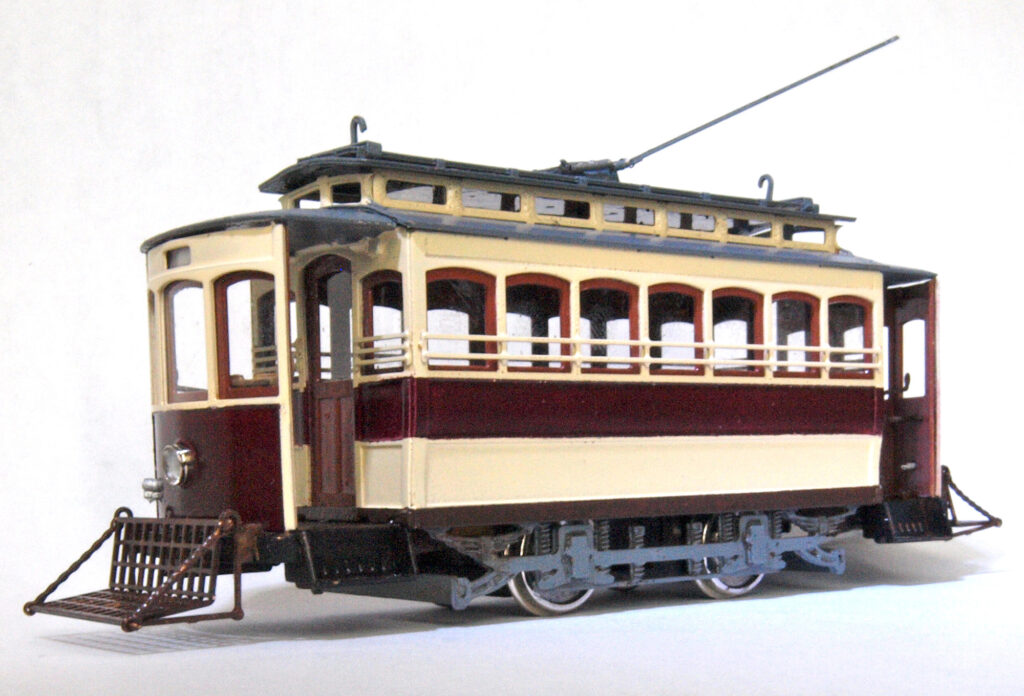
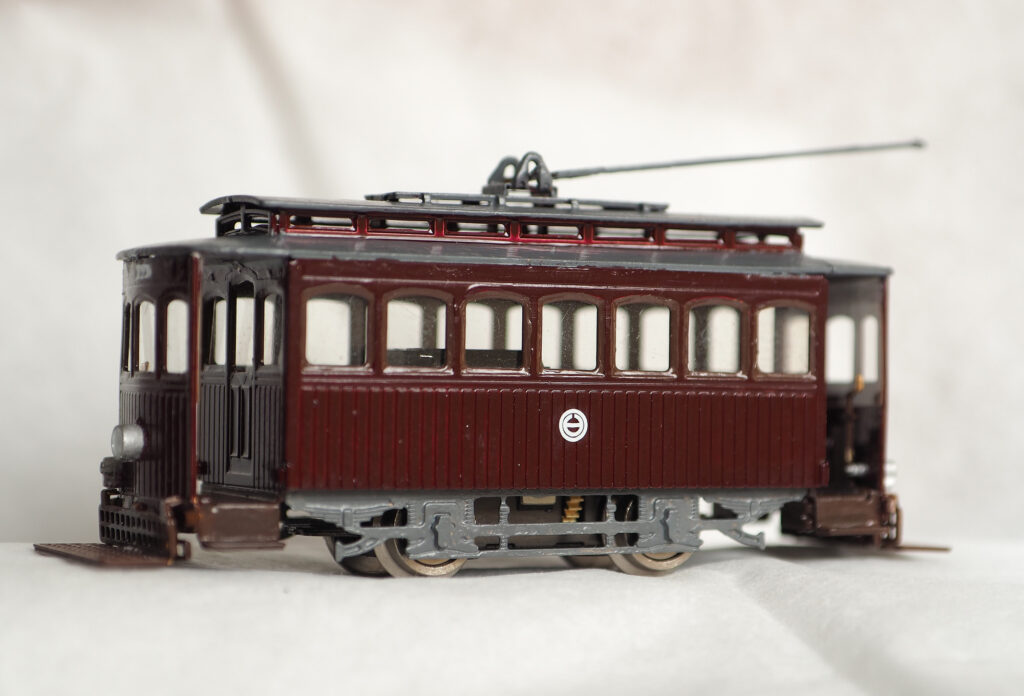
電気軌道線
電気軌道線とは、いわゆる「路面電車」のことです。日本では一般の「鉄道」とは法律上区別されており、道路上に線路を敷いて一般の自動車などと同じ道路空間を走る「併用軌道」を設けることができるなど、一般の鉄道とは運行形態が異なります。 乗客が乗り降りする場所も「駅」ではなく、「停留場」と呼ばれます。
明治5年5月7日(西暦1872年6月12日)に品川駅と横浜駅の間で日本初の鉄道が開通して以来、日本全国で鉄道網の整備が進められました。 明治28年(1895年)には京都で日本初の「路面電車」が営業を開始し、その後、全国の大都市に路面電車が次々と開通していきました。
大正から昭和初期にかけては、路面電車や電気軌道はさらに地方へも広がり、温泉地や観光地など、山間部にも路線が開通しました。こうした路線の中には、当初「馬車鉄道」や「軽便鉄道」として開業し、その後に電化されて「電気軌道」となったものもあります。
昭和の高度経済成長期以降は、自動車の普及や道路整備の進展などによって、路面電車は一部の都市を除いて次第に姿を消していきました。 一方で、路面電車として始まった路線の中には、運行形態や路線の性格が変化し、現在では一般の鉄道として扱われているものもあります。
2010年(平成22年)掲載・2026年(令和8年)9月19日修正
(下記はいずれも過去に廃止や、鉄道に変更)
- 花巻電気(はなまきでんき・岩手県)
1926年(大正15年)〜 1972年(昭和47年)廃止
- 秋保電気軌道(あきうでんききどう・宮城県)
1914年(大正3年)〜 1961年(昭和36年)廃止
- 福島飯坂電気軌道(ふくしまいいざかでんききどう・福島県)
1924年(大正13年)〜 1945年(昭和20年)に「鉄道線」へ移行(福島交通 飯坂線)
- 塩原電車(しおばらでんしゃ・栃木県)
1912年(明治45年/大正元年)〜 1936年(昭和11年)廃止
- 日光電気軌道(にっこうでんききどう・栃木県)
1910年(明治44年)〜 1968年(昭和43年)廃止
- 伊香保電気軌道(いかほでんききどう・群馬県)
1890年(明治23年)〜 1956年(昭和31年)廃止
- 吾妻軌道(あがつまきどう・群馬県)
1912年(明治45年/大正元年)〜 1934年(昭和9年)廃止
- 他

Electric Tramway Lines
Electric tramway lines are what are commonly known as streetcar or tram lines. In Japan, they are legally distinguished from conventional railways. They may use what is known as a shared track, where tracks are laid within a public road and trams operate in the same road space as automobiles and other vehicles. In this respect, their operation differs from that of conventional railways. The places where passengers get on and off are also called tram stops, rather than stations.
After Japan’s first railway opened between Shinagawa and Yokohama on May 7, Meiji 5 (June 12, 1872), the railway network gradually expanded throughout the country. In Meiji 28 (1895), Japan’s first streetcar service began operation in Kyoto. Streetcar lines were subsequently opened one after another in major cities throughout Japan.
From the Taisho period through the early Showa period, streetcars and electric tramways spread further into regional areas, with lines being built in mountainous areas as well, including hot spring resorts and other tourist destinations. Some of these lines originally opened as horse-drawn railways or light railways, and were later electrified and converted into electric tramways.
From the period of rapid economic growth in the Showa era onward, the spread of automobiles and the development of roads gradually led to the disappearance of streetcars from many parts of Japan, with some exceptions in certain cities. On the other hand, some lines that originally began as streetcar lines changed in their form of operation or in the nature of their routes, and are now operated as conventional railways.
Originally published in 2010; revised on September 19, 2026.
(All of the following lines were either discontinued or later converted to railway lines.)
- Hanamaki Electric Railway (Hanamaki Electric / Iwate Prefecture)
1926–1972 — discontinued - Akiu Electric Railway (Akiu Electric Tramway / Miyagi Prefecture)
1914–1961 — discontinued - Fukushima-Iizaka Electric Railway
(Fukushima-Iizaka Electric Tramway / Fukushima Prefecture)
1924–1945 — transferred to a railway line in 1945 (now the Fukushima Transportation Iizaka Line) - Shiobara Electric Railway (Shiobara Electric Railway / Tochigi Prefecture)
1912–1936 — discontinued - Nikko Electric Railway (Nikko Electric Tramway / Tochigi Prefecture)
1910–1968 — discontinued - Ikaho Electric Railway (Ikaho Electric Tramway / Gunma Prefecture)
1890–1956 — discontinued - Agatsuma Tramway (Agatsuma Tramway / Gunma Prefecture)
1912–1934 — discontinued - And others